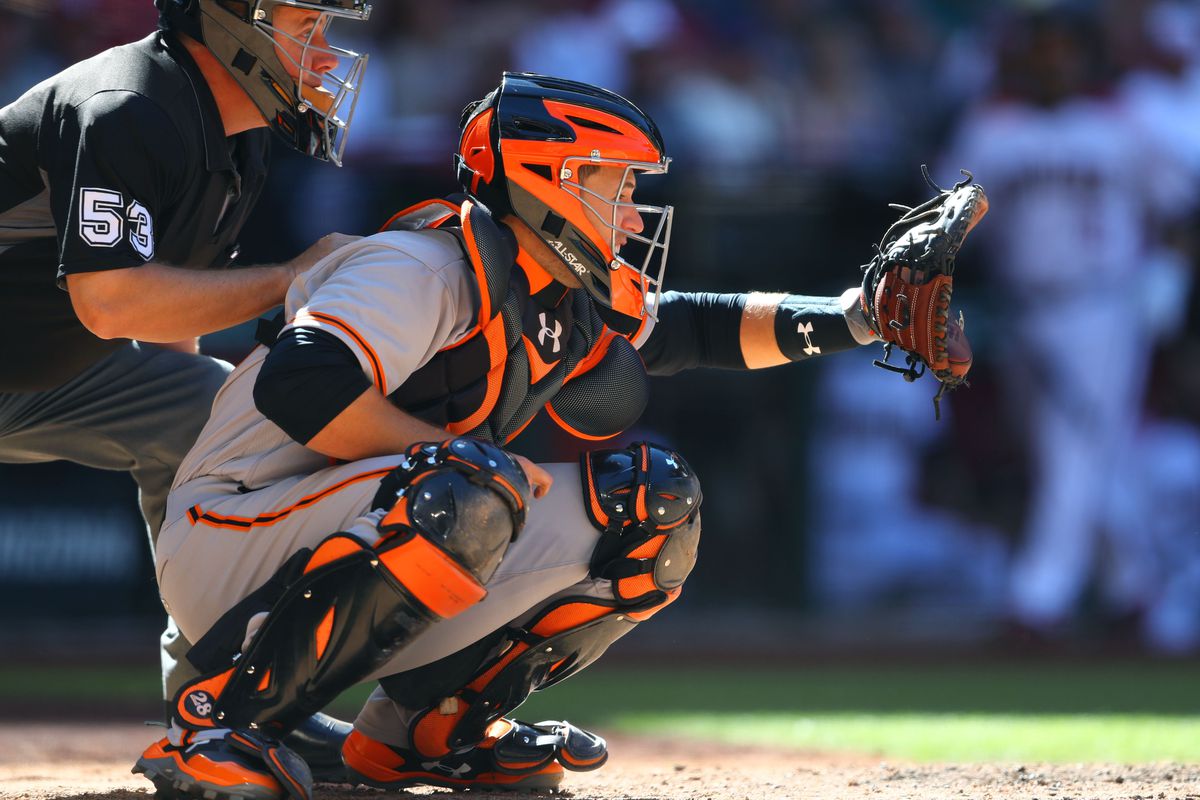
One of the most critical positions in the game of baseball is the man that sits behind the plate. The catcher and the pitcher in tandem are in complete control of the game. The speed of the game, the energy of the game, and the play calls normally all flow from the catcher. Here in this post we will discuss all of the different roles and responsibilities of a catcher, and why they are one of the most valued positions on the field.
The Mindset
First off, many people are thinking there is no way that they would have the guts to get behind the plate and catch a ball that is going that fast along with a swinging bat coming right through the zone where you need to catch it. This is very valid and that is why it takes a strong minded player to take on this position. The man who plays this position at a competitive level is usually a leader on and off the field, and does not fear getting hit with the ball. They must be not only skilled to catch the ball but also willing to take the hit of possibly blocking a 80 mile per hour curve ball in the dirt.
Form
Catchers normally take on several different squatting positions while they are playing. Typically if there is no one on base, the catcher can be more relaxed and also create a lower target for the pitcher. That is one of the main goals of a catcher is to create a target for where the pitcher is supposed to throw the ball. The catcher will normally set up lining up with where they intend the pitch to be thrown. If there are runners on base, the catcher must be more aware of the runners potential to steal. In this scenario, the catcher will most likely keep their glove lower but stay out on the balls of their feet. If a runner steals, the catcher must be in a position to make an accurate throw quickly to get the runner out.
Framing
This is probably the most important aspect of a catchers success in regards to the pitcher. The catcher needs to properly frame the ball so that the umpire will call as many strikes as possible. Framing is a technique that catchers and other players on the field use to display the ball in a way that assures that the ball was in the strike zone. This means that a catcher must have a firm hold on the ball once it hits their glove. Ultimately, framing the ball helps the umpire to see strikes and balls more clearly. If close strikes are not being called, often times catchers can improve some of those calls with the skill of framing.
Pitch Calling
Another important part of catching is pitch calling. You are usually responsible for relaying the type of pitch you want the pitcher to throw. Different scenarios change which pitch is ideal to throw. The catcher relays these signs usually by using hand motions, showing various numbers on their throwing hand. This will indicate to the pitcher what pitch to throw and where to locate it. If there is a lack of communication on this step, it can make for big mistakes in the flow of the game.
Conclusion
Catching is a super vital position to the game of baseball. Catchers are leaders on the field by controlling and dominating the flow of the game. Each team typically only has one or two catchers, so this position is highly valued. While this only scratches the surface of the duties of a catcher, they are very valuable assets.
 Nolan Ricketson's Baseball Analytics