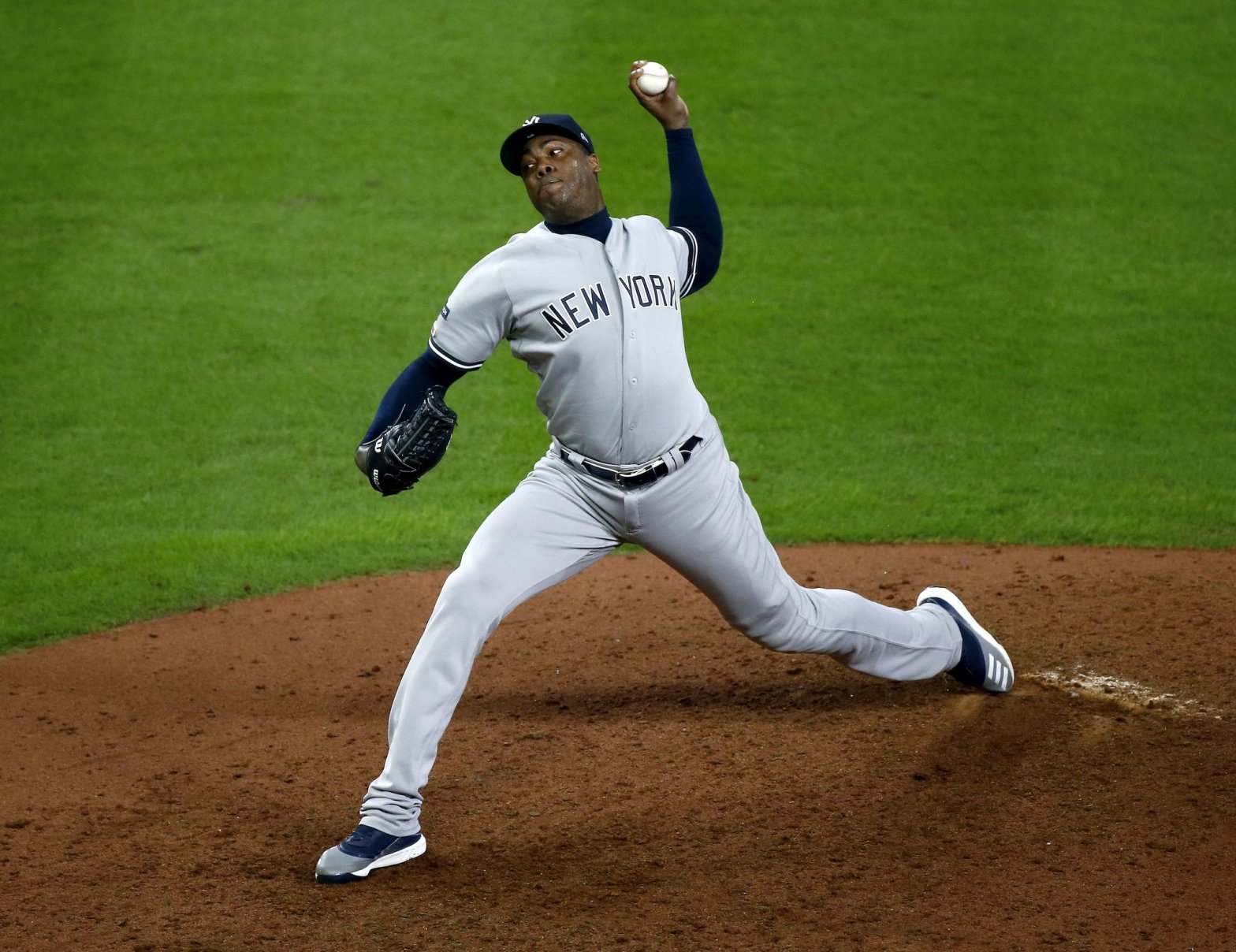
Pitching a ball at a speed over 90 miles per hour within a two foot by one foot strike zone can be seen as one of the biggest delicacies in all of baseball. It is a craft that takes an extreme amount of practice, and you also must care for your health at the same time. By throwing as hard as you can off of the pitcher’s mound constantly, a pitcher can face severe fatigue in all joints of their arm. In baseball, pitchers typically don’t throw in a game situation for consecutive days. Aside from maintaining a healthy arm, pitching is an art that few players have. If you throw the wrong pitch or the ball in the wrong location, it can make or break the entire game. The pitcher is arguably the most important player in the field. Here, we will discuss the fundamental basics of pitching and what an average player must do to increase their pitching capabilities.
From The Windup
The windup is considered the most commonly used pitching motion when there is no one on base. It is begun by approaching the mound and placing both heels on the pitching rubber. The pitcher’s first task is to pick up the sign that the catcher is showing to him, so that he knows what pitch he is supposed to throw. The catchers sign will also give the pitcher a location for the throw. Once the pitcher has picked up the sign and is ready to throw, they start the motion of the windup. The windup is begun by stepping to the side with your glove side foot and turning your throwing side foot so that it is parallel with the pitching rubber. Then comes the leg kick. The leg kick is primarily where most pitchers gain all of their momentum. The pitcher should bring their leg up towards their chest and turn their hips to the inside. From this position, the pitcher is now ready to drop their back leg and drive off of the pitching rubber with a long stride. The longer the stride of a pitcher, the faster the velocity on the ball will be. One of the pitchers currently in the major leagues that is known for his long stride is Aroldis Chapman. Evidently, Chapman has also thrown a baseball at the speed of 106 miles per hour in a live game. That speed is almost unheard of. Nevertheless, after the stride, the pitcher will throw the ball towards the target that the catcher has made for them. As with fielding, the follow through of pitching is just as important. The pitcher will finish with a follow through that places them in a perfect position to then become another fielder.
The Stretch
This form of pitching called the stretch is typically used when there are runners on base. The basic concepts of physically throwing the ball are the same as the windup, but the beginning stages are a little different. The stretch starts with your throwing side foot already parallel with the pitching rubber and your other foot out in front of you. While in this position, the pitcher is free to move their shoulders and look in whichever direction they please. This is usually when the pitcher will receive the sign from the catcher. Once the sign is received, it is common for the pitcher to look at the runners on base to make sure they are not too far off of the base. Then the pitcher will come set by bringing their hands together as well as their feet closer together. At this point, the pitcher can no longer move their shoulders to glance at the runners. Any movement of the shoulder will be considered a movement of throwing the ball towards home plate. When ready, the pitcher will perform the same throwing motion as the windup and follow through similarly.
Conclusion
This outlines the two various positions that a pitcher normally throws from. Most pitchers have different mechanics and quirks that they like to apply to their throwing motion, but the basic fundamentals of all pitchers are the same. In future posts, I will outline more in depth the nuts and bolts of pitching, so that one day you might be able to pitch in the major leagues or teach your son how to pitch.
 Nolan Ricketson's Baseball Analytics